


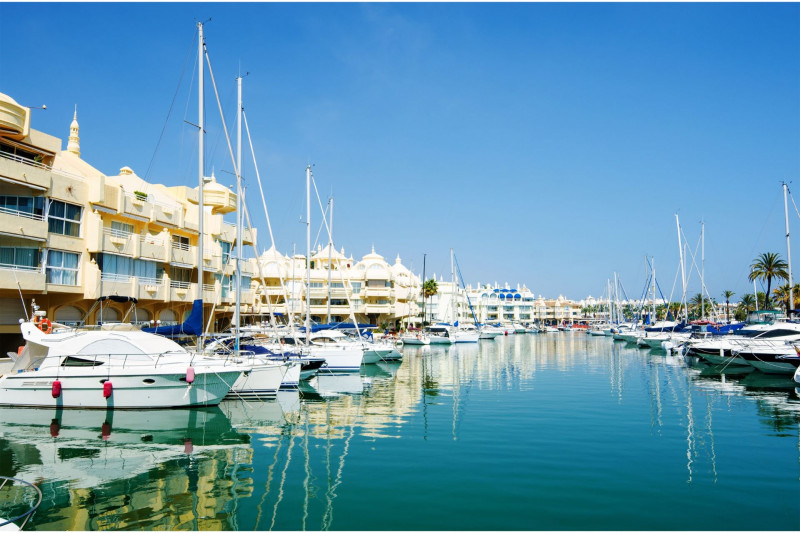
Dreaming of owning a home in the sunny Costa del Sol? You’re not alone! In 2026, Spain continues to attract thousands of international buyers eager to secure their piece of Mediterranean paradise. According to recent market insights, foreign investment in Spanish real estate remains strong, particularly across Marbella, Estepona, and Benahavís. But before you sign that exciting contract, it’s essential to understand the legal steps to buying property in Costa del Sol.
From obtaining your NIE number and verifying property documents to handling taxes and legal fees, the process can seem complex at first glance. Yet, with the right guidance and a trusted partner, it becomes seamless. As the saying goes, “Better safe than sorry.” This guide breaks down each stage to help you navigate the Spanish property purchase process confidently and securely.
A good solicitor will handle due diligence, review contracts, and ensure all property documentation is valid before you sign. Legal fees generally range from 1% to 2% of the property price, depending on the complexity of the transaction. While this may seem like an additional cost, it’s a small investment for peace of mind.
All foreign property buyers in Spain must obtain an NIE (Número de Identificación de Extranjero), which serves as your tax identification number. This is required for property purchases, bank transactions, and utility contracts.
You can apply for an NIE either in Spain (at a local police station) or through a Spanish consulate abroad. Once you have your NIE, opening a Spanish bank account is the next logical step. This allows you to manage deposits, taxes, and property payments efficiently. Make sure to bring your passport, proof of address, and NIE certificate when setting up your account.
It’s also vital to check that the property has the appropriate building licences, planning permissions, and a certificate of habitability. These documents guarantee that the property meets all local and national regulations. Skipping this step could lead to serious legal or financial complications later.
Once you’re satisfied with the legal checks, you’ll typically sign a Reservation Contract (Contrato de Reserva) to secure the property. This usually involves a small deposit, often around €6,000.
The next stage is the Private Purchase Contract (Contrato de Arras), which formalises the agreement between buyer and seller. This contract includes key details such as payment terms, completion dates, and penalties for withdrawal. Typically, a 10% deposit is paid at this stage, with the remainder due at completion.
Spain’s property taxes vary depending on whether you buy a new build or resale home. For resale properties, the Transfer Tax (ITP) applies, usually between 7% and 10%. For new builds, buyers pay VAT (IVA) at 10% plus Stamp Duty (AJD) of approximately 1.2%.
Other costs include notary fees, land registration charges, legal fees, and estate agency commissions. Don’t forget ongoing expenses like annual property taxes and community fees for shared facilities. Understanding the full cost breakdown helps avoid financial surprises later on.
Completion takes place in front of a Spanish notary who ensures the sale is legally valid. During the signing of the Escritura Pública de Compraventa (Public Deed of Sale), both parties confirm the transaction details and payment is made, often via a bank-certified cheque.
The notary then registers the property under the new owner’s name in the Land Registry, and the buyer receives the official title deed (Escritura). This marks the legal transfer of ownership.
After completion, new owners must register for local council tax (IBI) and transfer utilities into their name. Non-residents are also required to file annual tax returns for properties in Spain.
It’s advisable to update your Spanish will to ensure your property is inherited according to your wishes and to avoid complications under Spanish inheritance law. Additionally, if your investment exceeds €500,000, you may qualify for the Golden Visa, granting residency rights in Spain.
Unfortunately, not every property transaction goes smoothly. To protect yourself, ensure all payments are made through traceable bank transfers and never in cash. Avoid verbal agreements or relying solely on an agent’s word.
Be cautious with off-plan developments, verify that the builder holds valid guarantees and that all deposits are protected. Always conduct an independent survey before committing to a purchase. If disputes arise, your lawyer can guide you through mediation or legal proceedings to resolve them effectively.

Bosque Colina Partners has in-depth knowledge of the Costa del Sol property market, offering tailored advice to both investors and expatriates. Their understanding of local regulations ensures each transaction is handled smoothly.
Proven Track Record of Success:
With years of experience facilitating property sales and investments, the team has helped countless clients secure homes safely and confidently.
Personalised Marketing Strategies:
Whether you’re buying or selling, their bespoke marketing strategies highlight each property’s best features to attract the right audience.
Dedicated Support Throughout the Process:
From the initial consultation to final registration, Bosque Colina Partners offers transparent communication and full guidance through every legal and financial step.
Innovative Technology and Tools:
The agency leverages advanced digital tools and detailed market analytics to help clients make informed investment decisions in 2026’s competitive real estate environment.
No, foreign buyers can complete the entire process remotely through a power of attorney granted to their lawyer. However, visiting to view the property and finalise documents is always advisable.
How long does it take to buy a property in Costa del Sol?
Typically, it takes between six to twelve weeks, depending on due diligence, contract negotiations, and mortgage arrangements.
Are there restrictions for foreign buyers in Spain?
No, Spain imposes no restrictions on foreign ownership. However, non-EU citizens must comply with specific tax and residency requirements.
What is the role of a notary in Spain?
The notary ensures the legality of the sale, confirms both parties’ identities, and oversees the signing of the title deed to finalise the property transfer.
Whether you’re planning to invest in a luxury villa in Marbella or a stylish apartment in Estepona, make sure your purchase is secure from start to finish. Contact Bosque Colina Partners today to begin your journey towards owning property in Spain with expert legal and market guidance.
From obtaining your NIE number and verifying property documents to handling taxes and legal fees, the process can seem complex at first glance. Yet, with the right guidance and a trusted partner, it becomes seamless. As the saying goes, “Better safe than sorry.” This guide breaks down each stage to help you navigate the Spanish property purchase process confidently and securely.
Appointing a Qualified Real Estate Lawyer in Costa del Sol
Hiring an independent, English-speaking property lawyer in Costa del Sol is the most important first step. Your lawyer will represent your interests throughout the transaction, ensuring that every legal requirement is met. Verify their registration with the Colegio de Abogados (Bar Association) to confirm credentials.A good solicitor will handle due diligence, review contracts, and ensure all property documentation is valid before you sign. Legal fees generally range from 1% to 2% of the property price, depending on the complexity of the transaction. While this may seem like an additional cost, it’s a small investment for peace of mind.
Obtaining an NIE Number and Opening a Spanish Bank Account
All foreign property buyers in Spain must obtain an NIE (Número de Identificación de Extranjero), which serves as your tax identification number. This is required for property purchases, bank transactions, and utility contracts.You can apply for an NIE either in Spain (at a local police station) or through a Spanish consulate abroad. Once you have your NIE, opening a Spanish bank account is the next logical step. This allows you to manage deposits, taxes, and property payments efficiently. Make sure to bring your passport, proof of address, and NIE certificate when setting up your account.
Conducting Legal and Property Due Diligence
Due diligence is the cornerstone of a safe real estate transaction. Your lawyer will request a Nota Simple from the Spanish Land Registry (Registro de la Propiedad) to confirm property ownership and identify any debts, encumbrances, or legal disputes.It’s also vital to check that the property has the appropriate building licences, planning permissions, and a certificate of habitability. These documents guarantee that the property meets all local and national regulations. Skipping this step could lead to serious legal or financial complications later.
Signing the Reservation and Private Purchase Contracts
Once you’re satisfied with the legal checks, you’ll typically sign a Reservation Contract (Contrato de Reserva) to secure the property. This usually involves a small deposit, often around €6,000.The next stage is the Private Purchase Contract (Contrato de Arras), which formalises the agreement between buyer and seller. This contract includes key details such as payment terms, completion dates, and penalties for withdrawal. Typically, a 10% deposit is paid at this stage, with the remainder due at completion.
Understanding Property Taxes and Additional Fees
Spain’s property taxes vary depending on whether you buy a new build or resale home. For resale properties, the Transfer Tax (ITP) applies, usually between 7% and 10%. For new builds, buyers pay VAT (IVA) at 10% plus Stamp Duty (AJD) of approximately 1.2%.Other costs include notary fees, land registration charges, legal fees, and estate agency commissions. Don’t forget ongoing expenses like annual property taxes and community fees for shared facilities. Understanding the full cost breakdown helps avoid financial surprises later on.
Completing the Sale Before a Spanish Notary
Completion takes place in front of a Spanish notary who ensures the sale is legally valid. During the signing of the Escritura Pública de Compraventa (Public Deed of Sale), both parties confirm the transaction details and payment is made, often via a bank-certified cheque.The notary then registers the property under the new owner’s name in the Land Registry, and the buyer receives the official title deed (Escritura). This marks the legal transfer of ownership.
Post-Purchase Legal Obligations for Foreign Buyers
After completion, new owners must register for local council tax (IBI) and transfer utilities into their name. Non-residents are also required to file annual tax returns for properties in Spain.It’s advisable to update your Spanish will to ensure your property is inherited according to your wishes and to avoid complications under Spanish inheritance law. Additionally, if your investment exceeds €500,000, you may qualify for the Golden Visa, granting residency rights in Spain.
Avoiding Common Legal Pitfalls When Buying in Costa del Sol
Unfortunately, not every property transaction goes smoothly. To protect yourself, ensure all payments are made through traceable bank transfers and never in cash. Avoid verbal agreements or relying solely on an agent’s word.Be cautious with off-plan developments, verify that the builder holds valid guarantees and that all deposits are protected. Always conduct an independent survey before committing to a purchase. If disputes arise, your lawyer can guide you through mediation or legal proceedings to resolve them effectively.
Why Choose Bosque Colina Partners?
Local Expertise and Market Knowledge:Bosque Colina Partners has in-depth knowledge of the Costa del Sol property market, offering tailored advice to both investors and expatriates. Their understanding of local regulations ensures each transaction is handled smoothly.
Proven Track Record of Success:
With years of experience facilitating property sales and investments, the team has helped countless clients secure homes safely and confidently.
Personalised Marketing Strategies:
Whether you’re buying or selling, their bespoke marketing strategies highlight each property’s best features to attract the right audience.
Dedicated Support Throughout the Process:
From the initial consultation to final registration, Bosque Colina Partners offers transparent communication and full guidance through every legal and financial step.
Innovative Technology and Tools:
The agency leverages advanced digital tools and detailed market analytics to help clients make informed investment decisions in 2026’s competitive real estate environment.
FAQs
Do I need to be in Spain to buy property in Costa del Sol?No, foreign buyers can complete the entire process remotely through a power of attorney granted to their lawyer. However, visiting to view the property and finalise documents is always advisable.
How long does it take to buy a property in Costa del Sol?
Typically, it takes between six to twelve weeks, depending on due diligence, contract negotiations, and mortgage arrangements.
Are there restrictions for foreign buyers in Spain?
No, Spain imposes no restrictions on foreign ownership. However, non-EU citizens must comply with specific tax and residency requirements.
What is the role of a notary in Spain?
The notary ensures the legality of the sale, confirms both parties’ identities, and oversees the signing of the title deed to finalise the property transfer.
Conclusion
Buying property in Costa del Sol is an exciting and life-changing experience, but success depends on understanding the legal process. By following each step carefully, appointing a qualified lawyer, verifying documents, and ensuring proper registration, you can enjoy your Spanish home with total confidence.Whether you’re planning to invest in a luxury villa in Marbella or a stylish apartment in Estepona, make sure your purchase is secure from start to finish. Contact Bosque Colina Partners today to begin your journey towards owning property in Spain with expert legal and market guidance.
Share this article


